
Judge Approves Bank of America's $72.5 Million Settlement With Epstein Victims
A Manhattan federal judge signed off on the payout to roughly 60 women, the third bank settlement of its kind in the same courtroom.
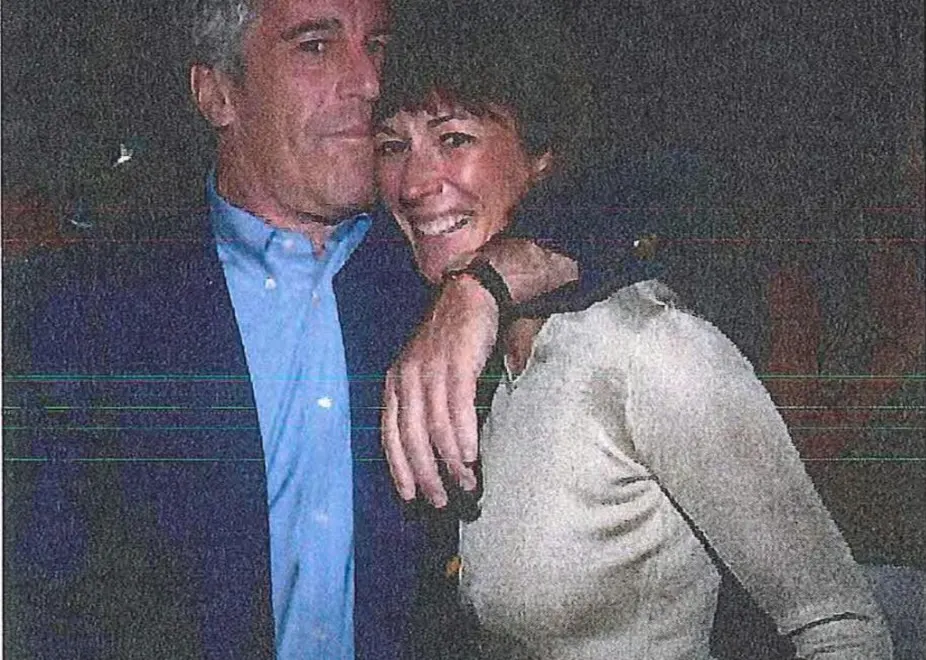
Public anger over the web of enablers surrounding Jeffrey Epstein usually zeroes in on politicians, royalty, and high-flying socialites. But the actual logistics of his operation required real-world infrastructure — specifically, major banking networks willing to move cash, process transactions, and turn a blind eye to obvious warning signs.
On Thursday, Senior U.S. District Judge Jed Rakoff granted final approval to a $72.5 million settlement between Bank of America and a class of Epstein victims in a Manhattan federal court. The suit, brought by attorney Sigrid McCawley of Boies Schiller Flexner, alleged that the financial giant ignored clear indicators of criminal activity for over a decade — most notably, that the bank failed to file mandatory Suspicious Activity Reports with federal regulators until after Epstein died in custody at a Manhattan facility in August 2019.
The class action covers individuals who were trafficked and abused by Epstein and his circle from June 30, 2008 — shortly after his initial plea deal in Florida — through his final arrest in July 2019. Roughly 60 women are expected to receive payouts under the deal.
A Pattern of Paying for Silence
This isn't an isolated payout. Judge Rakoff's courtroom has become the primary venue for holding global financial entities accountable for servicing Epstein's network long after his predatory behavior was public knowledge. Throughout 2023, Rakoff greenlit similar massive settlements, including a $290 million deal with JPMorgan Chase and a $75 million resolution with Deutsche Bank.
"No amount of money can ever fully compensate Epstein's victims for the harm they've suffered ... There are cases, including very much this one, where that hasn't just been talk, it's reality."
— Judge Jed Rakoff
During the hearing, Rakoff acknowledged that no financial payout could ever repair the trauma suffered by the victims. He approved a 30% fee for the plaintiffs' legal team and took a moment to address the broader public frustration over whether Epstein's facilitators would ever face consequences, noting that delivering tens of millions directly to survivors constitutes real, meaningful accountability rather than performative commentary.
The Limits of Posthumous Accountability
That financial accountability stands in contrast to the criminal side of the saga, where legal options narrowed significantly once Epstein died before facing trial. His primary co-conspirator, Ghislaine Maxwell, was arrested in 2020, convicted in late 2021, and handed a 20-year federal prison sentence. Her defense team repeatedly argued that Epstein's 2007 Florida non-prosecution agreement shielded her from indictment — an argument rejected by lower courts and permanently closed off when the U.S. Supreme Court declined to hear her appeal.
Civil suits against multibillion-dollar banks won't undo the damage, a reality underscored by the years of grueling, highly public legal battles survivors have had to fight against powerful institutions and individuals.
Still, forcing global banks to hand over hundreds of millions for their institutional silence remains one of the few legal tools that hits these entities where it actually hurts. Compliance failures, it turns out, aren't just an administrative footnote — when you service a predator, eventually the tab comes due.