Popular Sweetener Byproduct Damages DNA in Human Cells
A chemical linked to sucralose, sold as Splenda®, broke up DNA in lab-grown cells and weakened a model of the gut lining. But a 2026 European safety review — and later genetic testing — complicate the headline.
Rashtriya Gaurav
8 min read · Sep 14, 2026
Key Takeaways
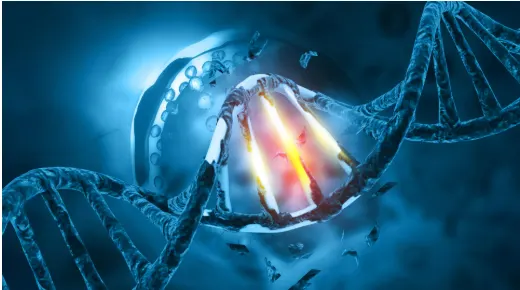
- A 2023 study found that sucralose-6-acetate, a manufacturing byproduct detected in some commercial sucralose samples, broke up DNA in cultured human blood cells and weakened a lab model of the intestinal lining.
- The claim that sucralose is chemically converted into this byproduct during digestion has since been questioned, and the effects were shown only in isolated cells and tissue models, not in people eating the sweetener.
- In February 2026, the European Food Safety Authority reviewed the evidence and concluded that sucralose does not raise a genotoxicity concern at its currently authorized uses, keeping its acceptable daily intake unchanged.
A chemical associated with sucralose, the artificial sweetener sold as Splenda®, damaged DNA in laboratory experiments and disrupted a model of the intestinal lining. Those findings, published in 2023, raised questions about a little-studied substance that researchers detected in some samples of the sweetener.
But the laboratory results are not the whole story. Subsequent testing and a major European safety assessment have added important context, including challenges to the idea that the chemical necessarily forms during digestion. The original experiments did not establish that ordinary sucralose consumption damages DNA in people, and European regulators concluded in 2026 that the sweetener remains safe under its currently authorized uses.
The Chemical Behind the Sucralose Concerns
The 2023 investigation focused on sucralose-6-acetate, a compound chemically related to sucralose but not the same substance. It can occur during manufacturing and remain as an impurity in the finished sweetener, and researchers reported finding it at concentrations of up to 0.67% in the commercial samples they analyzed.
Earlier work by the same team, published in 2018, had identified fat-soluble compounds in the urine and feces of rats given sucralose, which the researchers interpreted as evidence that the sweetener was being chemically altered inside the animals. Their follow-up work identified sucralose-6-acetate as one compound of interest — but this was animal research, not a demonstration of the same process in people.
"Our new work establishes that sucralose-6-acetate is genotoxic," Susan Schiffman said when the findings were announced in 2023. Schiffman, the study's corresponding author, was an adjunct professor in the joint department of biomedical engineering at North Carolina State University and the University of North Carolina at Chapel Hill. She noted that trace amounts of the compound turned up in off-the-shelf sucralose even before it was consumed or metabolized.
The digestion claim has since been questioned. In its 2026 review, the European Food Safety Authority noted that the compounds detected in the rat study could have been impurities already present in the administered sucralose, meaning their appearance in urine and feces didn't necessarily prove that metabolism had produced them.
What the DNA Experiments Actually Showed
To investigate potential harm, the researchers exposed cultured human blood cells to sucralose-6-acetate and examined indicators of genetic damage. These were in vitro experiments — conducted outside a living organism, not in people consuming the sweetener. Schiffman said their screening showed a pattern associated with breaks in DNA strands.
A laboratory effect and a real-world health risk are not the same thing: exposing isolated cells directly to a chemical can reveal a hazard without showing that eating the food exposes human tissue to enough of it to cause the same damage.
Sucralose and the Gut Barrier
The researchers also investigated the intestinal lining, which helps regulate what passes from the digestive tract into the body. Using a lab system containing human intestinal tissue, they tested both sucralose and sucralose-6-acetate, and both impaired the barrier's integrity under the experimental conditions.
Schiffman explained that other studies had already linked sucralose to gut health problems, prompting the team to look closer. Exposing gut epithelial tissue to both chemicals produced "leaky gut" — damage to the tight junctions where gut-wall cells connect, making the barrier more permeable. That matters, she said, because substances normally flushed out in feces can instead leak into the bloodstream. The team also found that gut cells exposed to sucralose-6-acetate showed increased activity in genes tied to oxidative stress, inflammation, and carcinogenicity.
These findings described cellular responses in a laboratory model. Increased activity in genes associated with cancer does not mean the experiment demonstrated cancer development, just as greater permeability in cultured tissue does not establish that normal sweetener use causes an intestinal disorder in people.
Why the Exposure Threshold Needs Context
Another concern the researchers raised involved how much sucralose-6-acetate someone might consume without realizing it. Schiffman pointed to the European Food Safety Authority's threshold of toxicological concern for genotoxic substances — 0.15 micrograms per person per day — and argued that trace amounts of the byproduct in a single sucralose-sweetened drink could exceed it, before even accounting for any produced through metabolism.
That comparison requires an important qualification. A threshold of toxicological concern is a conservative screening tool used to flag chemicals for closer assessment when detailed toxicity data is limited — exceeding it is not equivalent to demonstrating that a drink causes DNA damage or disease, and it's a different measure than the acceptable daily intake set specifically for sucralose.
The researchers nevertheless considered their findings serious enough to call for revisiting sucralose's regulatory status, with Schiffman going so far as to recommend that people avoid products containing it. That was the research team's position in 2023 — later assessments reached a different overall conclusion about the safety of its approved uses.
What the 2026 Safety Review Found
In February 2026, the European Food Safety Authority published a comprehensive reassessment of sucralose. Its experts retained the acceptable daily intake of 15 milligrams per kilogram of body weight per day and found that estimated dietary exposure stayed below that level across the population groups assessed — an amount considered safe to consume daily over a lifetime.
The review didn't overlook the 2023 research; it weighed the reported DNA damage signals, including those involving sucralose-6-acetate, but judged the relevant screening evidence to have limited relevance to its assessment. After considering laboratory, animal, and other evidence, the panel concluded that sucralose's use as a food additive did not raise a genotoxicity concern. In the United States, sucralose also remains approved as a food sweetener, with the FDA citing more than 110 studies addressing potential toxic effects alongside human clinical research.
Later Genetic Testing Adds Another Piece
A study published online in August 2026 in Food and Chemical Toxicology evaluated commercial-grade sucralose using several genetic toxicity tests in cells and animals. Most assays came back negative, including tests for mutations and chromosome damage, and a study in genetically modified mice found no increase in the mutations being measured.
One test, a comet assay, did detect DNA damage signals in several tissues, though the authors described complications interpreting those results and concluded that the overall findings did not indicate genotoxicity. Several authors were affiliated with Tate & Lyle, while others worked for Intertek — an industry connection worth noting. Importantly, this study tested commercial sucralose rather than directly repeating the 2023 experiments with isolated sucralose-6-acetate, so the two studies address related but not identical questions.
Human Studies Explore Other Biological Effects
Separate research has examined whether sucralose influences processes like appetite. These studies don't establish DNA damage, but they help map how the sweetener interacts with the body. In a randomized study published in Nature Metabolism in March 2025, 75 young adults consumed drinks containing sucralose, an equally sweet amount of sugar, or water on separate visits. Compared with sugar, sucralose increased reported hunger and blood flow in the hypothalamus, the brain region involved in appetite regulation; compared with water, it increased hypothalamic blood flow but didn't change hunger ratings. These were immediate responses, not evidence of lasting weight gain.
A systematic review published in August 2026 examined 23 randomized trials of sucralose and cardiometabolic outcomes in healthy adults. Results on blood sugar regulation were mixed — some studies reported unfavorable changes, others found no effect — and the review's authors raised concerns about possible metabolic effects, underscoring that questions about appetite and glucose regulation are distinct from the original DNA damage claim.
Heating Sucralose Raises a Separate Question
The European review also flagged an unresolved issue involving prolonged exposure to high temperatures. Under some heating conditions, chlorine from sucralose may become incorporated into other compounds whose health effects remain uncertain. For that reason, the panel could not confirm the safety of a proposed expansion of sucralose use in certain baked goods, noting that similar uncertainties can arise during home baking or frying, where temperatures, cooking times, and amounts vary. This concern involves products that may form during heating, rather than a confirmation of the 2023 sucralose-6-acetate findings.
The Bottom Line
Taken together, the evidence supports a more specific conclusion than a blanket warning about DNA damage. The 2023 study reported potentially important effects in laboratory systems, while subsequent assessments — including a 2026 European safety review and later genetic testing — have not established that ordinary sucralose consumption causes the same harm in people. Questions about specific compounds, exposure conditions, and other biological effects, like appetite and glucose regulation, remain open areas for investigation.
This article is for informational purposes only and does not constitute medical advice. Consult a healthcare provider with questions about sweeteners and your diet.